Mental Health
The Importance of Mental Health Awareness
Mental illness affects 19% of adults, 46% of adolescents and 13% of children annually. People who are struggling with their mental health can be in your family, living next door, teaching your children, working in the next cubicle or sitting in the same church chair.
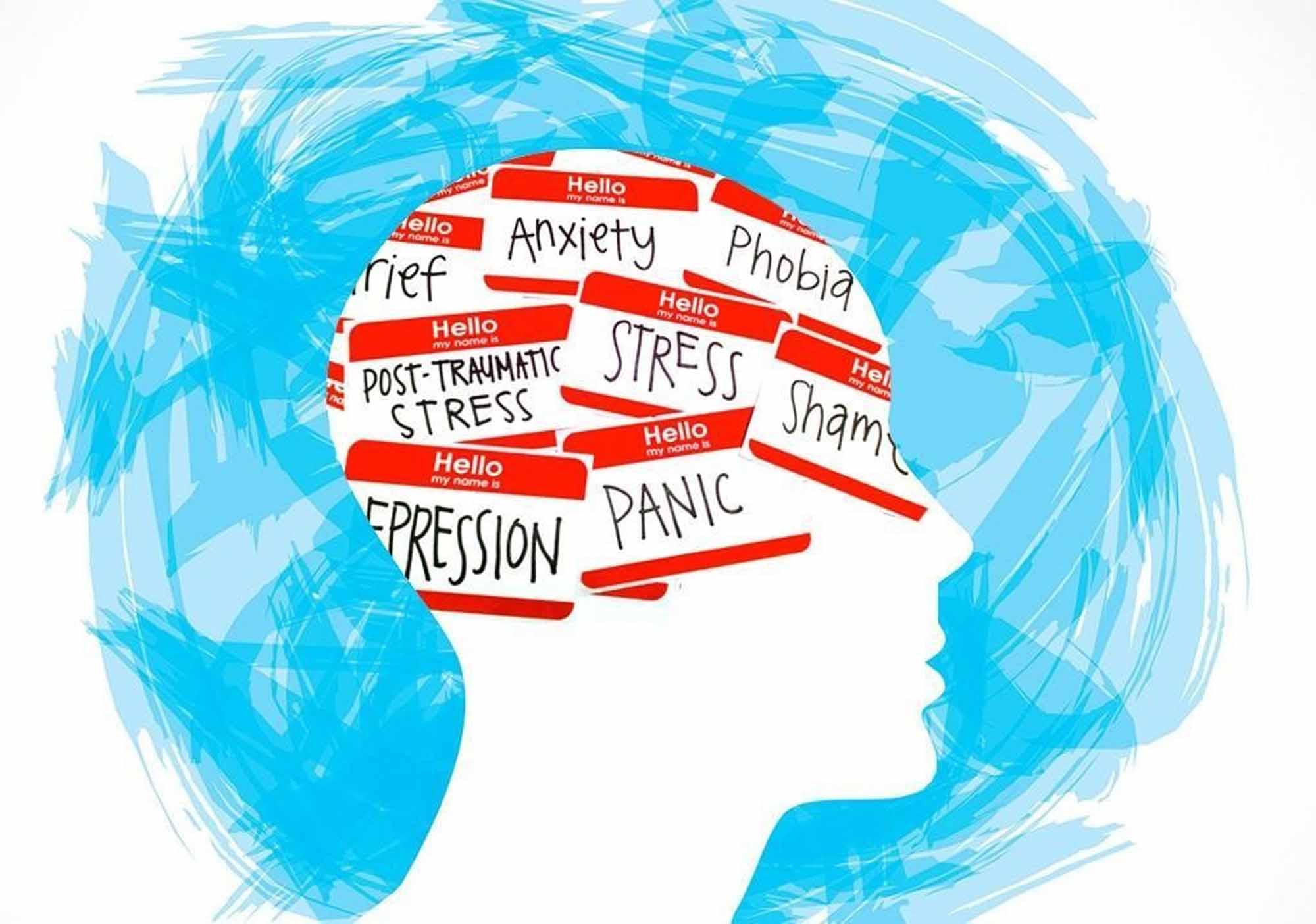
However, only half of those affected received treatment, usually because of stigma attached to mental health. Left untreated, mental illness can contribute to high medical costs, child abuse at school and at work, fewer job opportunities and an increased risk of suicide.
What Is Mental Illness
Mental illness is a physical illness that causes mental, behavioral, emotional or emotional disturbances that make it difficult to cope with normal health needs. Research has begun to identify the underlying causes of these diseases, which may include genetic predisposition, brain chemistry, brain formation, trauma, and / or other medical conditions, such as heart disease.
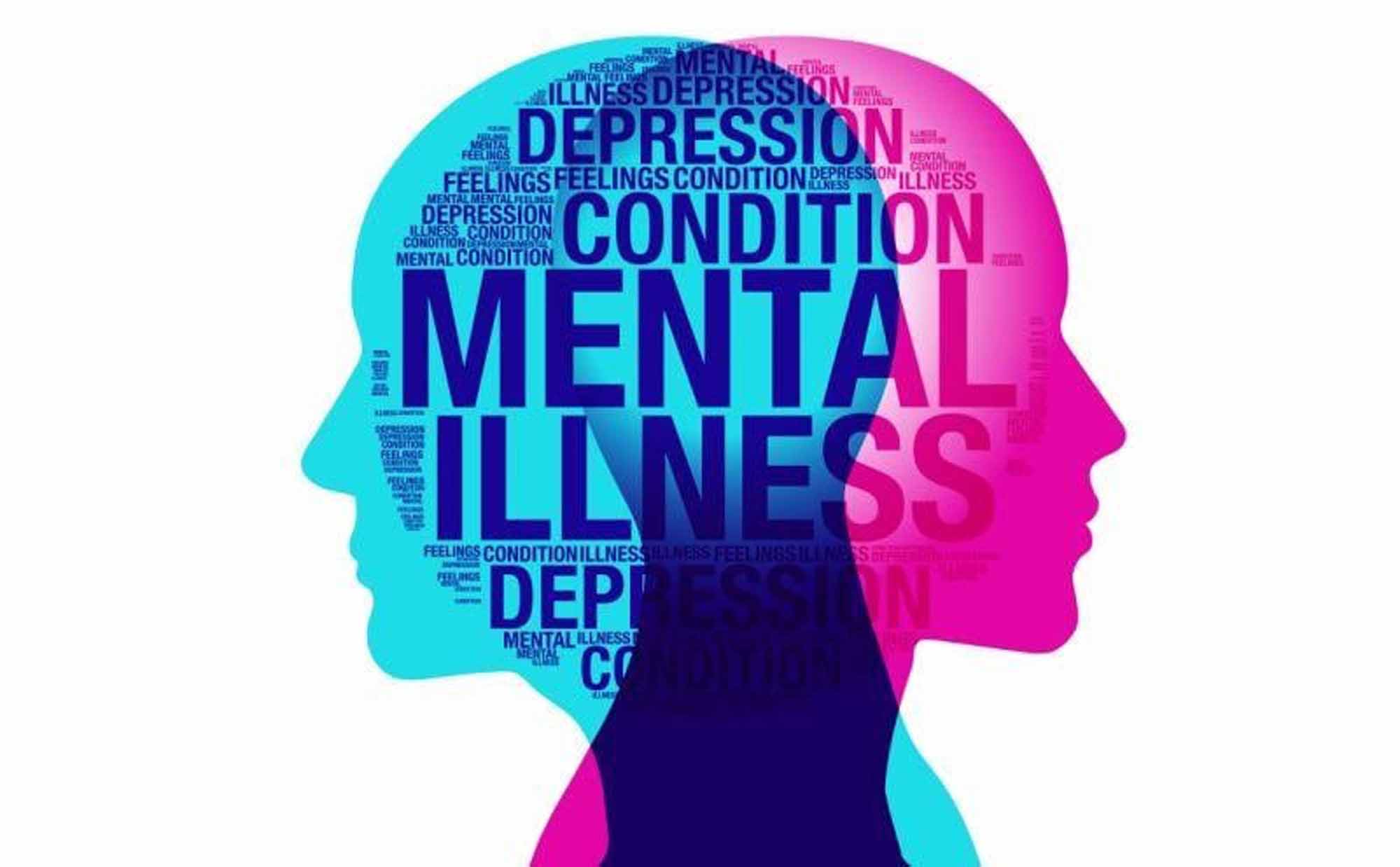
The two most common mental health conditions are:
Anxiety Disorders - More than 18% of adults each year suffer from some form of anxiety disorder, including post-traumatic stress disorder (PTSD), obsessive-compulsive disorder (OCD) , panic disorder (panic disorder), generalized anxiety disorder and certain phobias.
Emotional Disorders - Emotional disorders, such as depression and depression, affect about 10% of adults each year and are characterized by difficulty in controlling one's emotions.
“The only trip is the middle trip.”
"What mental health needs is sunshine, more honesty, and shameless conversation."
- Glenn Close
What You Can Do to Help
Although the prevailing view of mental illness has developed in recent decades, research shows that stigma against mental illness is still strong, largely due to media beliefs and a lack of education, and that people often attach negative stigma to mental health conditions. at a much higher rate than other diseases and disabilities, such as cancer, diabetes or heart disease.
Discrimination affects not only the number that needs treatment, but also the number of resources available for appropriate treatment. Discrimination and false information can feel like a huge obstacle for a person with a mental health problem. Here are a few powerful things you can do to help:
-
Showing respect and acceptance removes a significant barrier to coping with illness. Having people see you as an individual and not as your disease can make a huge difference to someone who is struggling with their mental health.
-
Representing within our influence circles helps ensure that these people have the same rights and opportunities as other members of your church, school and community.
-
Learning more about mental health allows us to provide practical support to those affected in our families and communities.


"Mental health needs a lot of attention. It is a last resort and must be addressed and addressed."- Adam's Ant
"Being able to be a real person is one of the most powerful aspects of good mental health."
- Dr. Lauren Fogel Mersy
Some Popular Mental Statistics Are:
-
GAD affects 6.8 million adults, or 3.1% of the U.S. population, but only 43.2% receive treatment.
-
SAD affects 15 million adults, or 6.8% of the U.S. population.
-
SAD is equally common among men and women and usually starts around the age of 13. According to a 2007 ADAA study, 36% of people with social anxiety reported having symptoms for 10 years or more before seeking help.
-
Some phobias affect 19 million adults, or 8.7% of the U.S. population.
-
Women are twice as likely to be affected as men.
-
Symptoms usually begin in childhood; the average age is 7 years.
-
OCD affects 2.2 million adults, or 1.0% of the U.S. population.
OCD is common in both men and women.
The average age is 19, and 25 percent of cases occur at age 14. One-third of the affected adults began experiencing symptoms of childhood.
Feeling Alone : Depressed : There is someone to listen to you
- Jeevan Aastha Helpline : Toll Free : 1800 233 3330 ( Verified )
24 * 7 available , operated by Gandhi Nagar Gujrat Police in association with physcologist : VERIFIED : SUICIDE , DEPRESSION , CAREER COUNCELLING , ADDITION
WEBSITE : weblink - AASRA : Phone no. : 09820466726 ( Language : Hindi and English )
Website : weblink - COOJ Mental Health Foundation ( GOA ) : CALL : 0832-2252525 ( Verified )
TIMINGS : 1pm to 7pm : Monday to Friday
LANGUAGE : ENGLISH ( ONLY )

DOMESTIC VOILENCE
Awareness about this issue should be encouraged to not only prevent it but also to help out the victims in getting their lives back.

OVERCOME DEPRESSION
Now turn that frown upside down … even if it means standing on your head.
Just smile and enjoy the beauty of life.
WOMEN EMPOWERNMENT
Empowerment of women helps them to take their own decision with respect to life and family. All are human beings and there should be equality .